17 Easy Japanese Side Dishes For Your Weeknight Dinner
Highlighted under: International Taste Journey
Elevate your dinner experience with these 17 easy Japanese side dishes that perfectly complement any meal. From vibrant vegetable stir-fries to comforting miso soup, these simple recipes bring authentic Japanese flavors to your weeknight table. Enjoy a variety of textures and tastes that are both satisfying and healthy, making your dinner unforgettable.
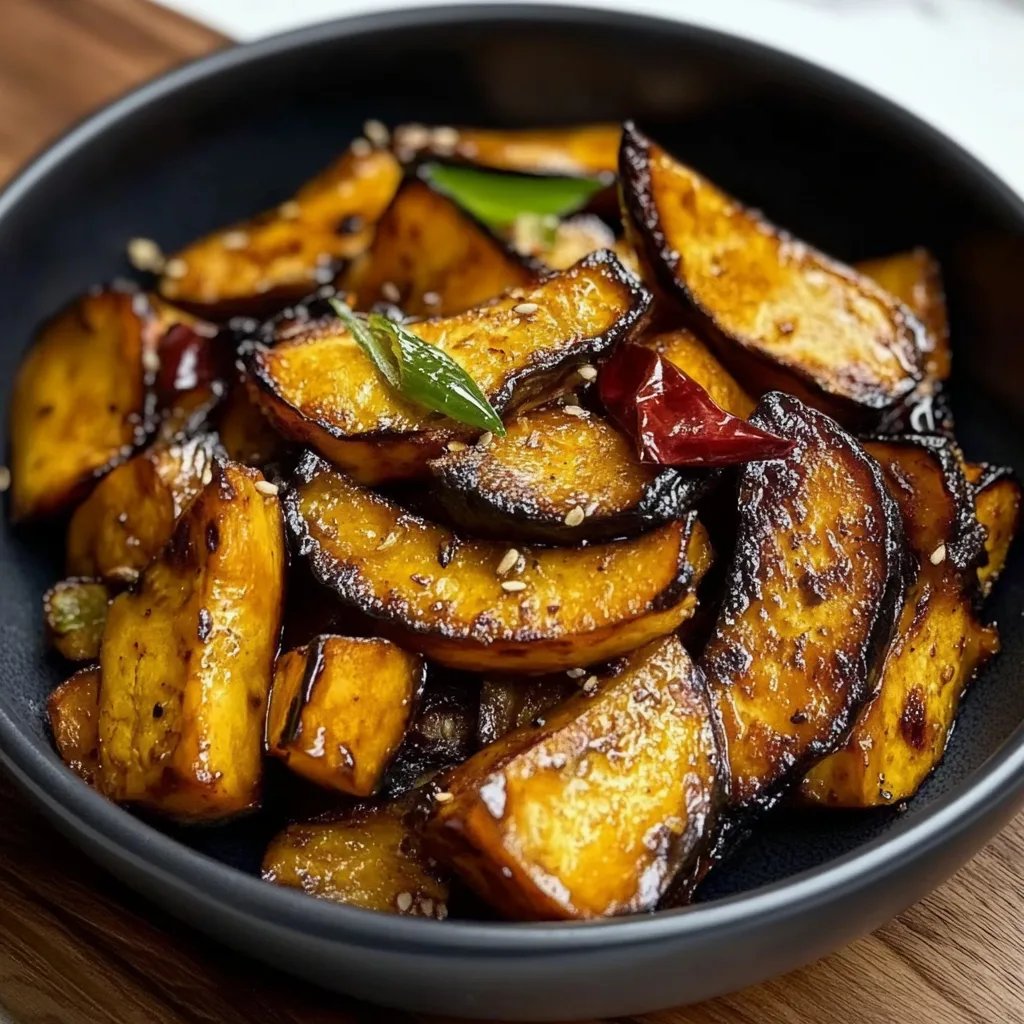
Exploring Japanese Cuisine
Japanese cuisine is known for its harmony and depth of flavor, often emphasizing seasonal ingredients and simplicity. Each dish tells a story through its flavors, textures, and presentation. These side dishes are designed to elevate the dining experience, making even a weeknight meal feel special. Whether it's the umami richness of miso or the delightful crunch of fresh vegetables, these recipes reflect the essence of Japanese culinary traditions.
Incorporating Japanese side dishes into your dinner routine allows you to explore diverse tastes while also enjoying a balanced meal. Many of these dishes feature ingredients that are not only flavorful but also packed with nutrients, making them great for health-conscious diners. They complement a variety of main courses, from grilled meats to hearty rice dishes, providing a well-rounded dining experience.
Cooking Tips for Authentic Flavor
To achieve authentic flavors in your Japanese side dishes, focus on using high-quality ingredients such as soy sauce and mirin. These staples are foundational in many recipes and can greatly influence the overall taste of the dish. Experimenting with different types of soy sauce can also yield unique flavor profiles. Don't hesitate to explore local Asian markets for authentic products that can enhance your dishes.
Another key aspect of Japanese cooking is the method of preparation. Techniques like sautéing, steaming, or simmering can bring out the natural flavors of your ingredients. Consider lightly sautéing vegetables to retain their crispness, or simmering them in stock for an added depth of flavor. Mastering these techniques will not only improve your cooking skills but also help you create dishes that echo the heart of Japan.
Serving Suggestions
When it comes to serving Japanese side dishes, presentation is key. Utilize colorful vegetables and arrange them thoughtfully on the plate to create an appealing visual display. Traditional Japanese dining often emphasizes the beauty of simplicity, so a clean, organized table setup can enhance the dining experience. Use small bowls or plates for individual servings to give a more authentic feel to your meal.
Pairing these side dishes with a steaming bowl of rice or a warm broth can create a comforting and satisfying meal. You can also mix and match different side dishes to create a vibrant array of flavors and textures on your plate, allowing for a variety of taste experiences. Whether it’s a quiet dinner for one or a family gathering, these presentations will make every meal feel special.
Ingredients
Common Ingredients for Japanese Side Dishes
- Soy sauce
- Mirin
- Sesame oil
- Miso paste
- Rice vinegar
- Tofu
- Various vegetables (carrots, cabbage, etc.)
- Seaweed
- Rice
Make sure to prepare all ingredients before starting the recipes.
Instructions
Preparation Steps
Gather all the ingredients and utensils needed for the recipes.
Enjoy your delicious Japanese side dishes!
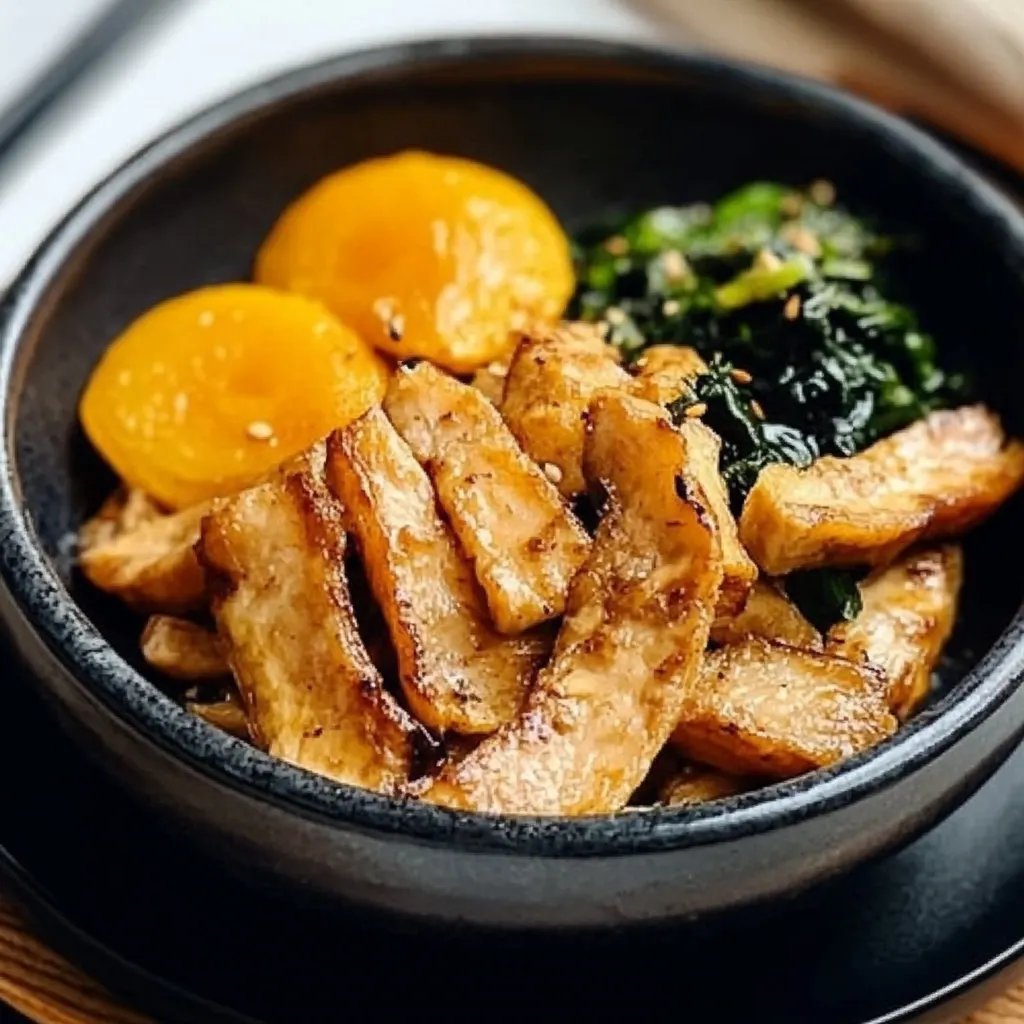
Pro Tips
- Try to use fresh ingredients for the best flavor.
Health Benefits of Japanese Ingredients
Japanese cuisine often incorporates ingredients that are not only delicious but also packed with health benefits. For example, tofu is a fantastic source of plant-based protein, perfect for those seeking meat alternatives. It's versatile and can be used in various dishes, from salads to stir-fries. Seaweed, commonly used in Japanese cuisine, is rich in vitamins and minerals, making it a nutrient-dense addition to any meal.
Additionally, many Japanese side dishes feature seasonal vegetables, which are not only fresher but also more flavorful. Eating a variety of vegetables contributes to a well-balanced diet and provides essential nutrients. Incorporating these ingredients regularly can support overall health and well-being, making your weeknight dinners not just a meal but a step towards a healthier lifestyle.
Frequently Asked Questions
One common question about Japanese side dishes is how to store leftovers. Most side dishes can be stored in airtight containers in the refrigerator for a few days. Just be sure to keep rice separate to maintain its texture. When reheating, a quick sauté or a few minutes in the microwave can bring back the flavors and heat to perfection.
Another frequent inquiry is about customizing recipes. Feel free to adjust ingredients based on your preferences or what you have on hand. Many classic Japanese side dishes are flexible and can incorporate different vegetables or proteins, allowing you to adapt them easily while still keeping the authentic flavors intact.
Questions About Recipes
→ Can I make these dishes ahead of time?
Yes, many of these dishes can be prepared in advance and reheated.
17 Easy Japanese Side Dishes For Your Weeknight Dinner
Created by: Anya Coleman
Recipe Type: International Taste Journey
Skill Level: Beginner
Final Quantity: 17 servings
What You'll Need
Common Ingredients for Japanese Side Dishes
- Soy sauce
- Mirin
- Sesame oil
- Miso paste
- Rice vinegar
- Tofu
- Various vegetables (carrots, cabbage, etc.)
- Seaweed
- Rice
How-To Steps
Gather all the ingredients and utensils needed for the recipes.
Extra Tips
- Try to use fresh ingredients for the best flavor.
Nutritional Breakdown (Per Serving)
- Calories: 150